The fashion industry has always been at the forefront of innovation and creativity. From designing cutting-edge clothing to predicting the next big trend, the industry is in a constant state of evolution. In recent years, Artificial Intelligence (AI) has emerged as a game-changer in the fashion world, transforming the way fashion is created, marketed, and consumed. This article explores the significant impact of AI in fashion and how it is revolutionizing the industry.
Designing with Data
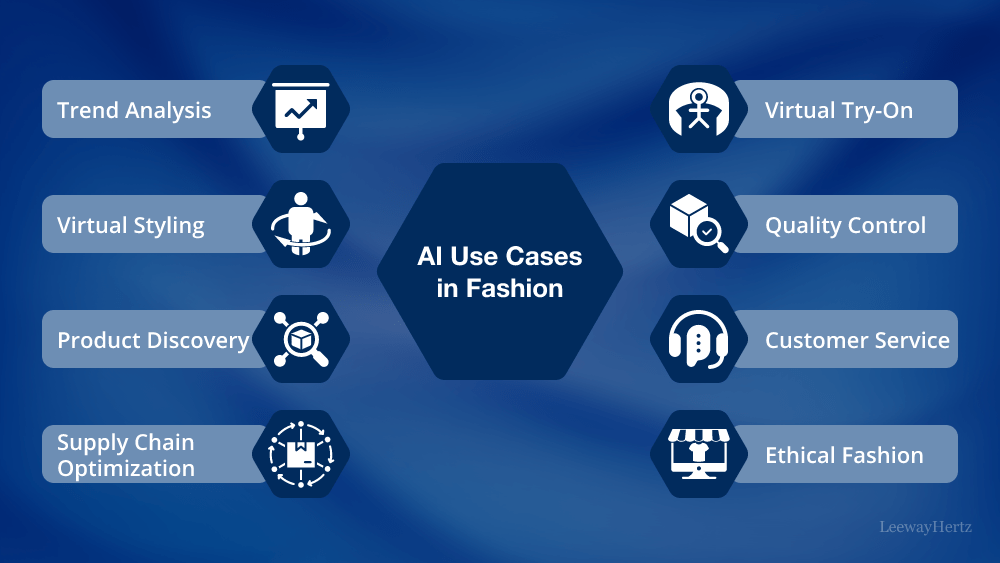
One of the most significant contributions of AI to the fashion industry is in the realm of design. AI-powered algorithms can analyze vast amounts of data, including fashion trends, customer preferences, and historical design elements, to generate fresh and unique designs. This technology assists designers in creating garments that are not only aesthetically pleasing but also align with market demand.
Fashion houses like IBM’s Watson have utilized AI to create innovative collections. By feeding the AI system with data on past designs, customer feedback, and current fashion trends, designers can receive valuable insights that help them craft garments that resonate with consumers. This not only streamlines the design process but also reduces the risk of producing unsellable items.
Personalized Shopping Experiences
AI has revolutionized the way consumers shop for fashion. E-commerce platforms are increasingly using AI-powered recommendation engines to offer personalized shopping experiences. These engines analyze a shopper’s browsing history, purchase history, and preferences to suggest products that match their style.
For instance, Amazon’s recommendation system uses AI to analyze customer behavior and suggest clothing items based on their past purchases and the preferences of similar customers. This not only enhances customer satisfaction but also increases sales by guiding shoppers toward products they are more likely to buy.
Virtual Try-Ons
Trying on clothes before buying them is a crucial part of the shopping experience. AI has made this possible in the digital realm with the advent of virtual try-on technology. Using augmented reality (AR), consumers can now visualize how a garment would look on them without stepping into a physical store.
Brands like Gap and L’Oréal have invested in AR-powered virtual try-on experiences that allow customers to see how makeup or clothing would appear on their own faces and bodies. This not only boosts confidence in purchasing decisions but also reduces the rate of returns, which is a significant challenge for online retailers.
Sustainability and Waste Reduction
The fashion industry has faced increasing scrutiny for its environmental impact. AI is being harnessed to address these concerns by optimizing the production process. AI-driven supply chain management systems can forecast demand accurately, reducing overproduction and wastage. By optimizing the allocation of resources and minimizing the carbon footprint of logistics, AI contributes to a more sustainable fashion industry.
Furthermore, AI algorithms can help designers and manufacturers choose sustainable materials and processes by evaluating their environmental impact. This assists in the creation of eco-friendly fashion lines, catering to the growing demand for sustainable products among consumers.
Customization and Tailoring
AI-driven technologies have breathed new life into the concept of bespoke fashion. Customization and tailoring have become more accessible and affordable thanks to AI algorithms. Brands are using AI to take precise measurements, enabling the creation of perfectly fitted garments. This is particularly beneficial in the world of online shopping, where customers often struggle with sizing.
Start-ups like Unmade are taking customization to the next level by allowing customers to co-create their own unique designs. With AI-generated patterns and the ability to select colors and styles, consumers can have a hand in the design process, resulting in highly personalized fashion items.
AI-Powered Trend Forecasting
Predicting fashion trends has always been a challenge, but AI is changing the game. AI algorithms can analyze social media, fashion blogs, and online forums to identify emerging trends. This allows fashion brands to stay ahead of the curve, producing collections that are in tune with what consumers desire.
Fashion retailers can also use AI to track the success of their marketing campaigns in real-time. By analyzing customer engagement and sales data, they can adjust their strategies on the fly, ensuring that their products are always in demand.
Challenges and Ethical Considerations
While AI offers numerous benefits to the fashion industry, it also presents challenges and ethical considerations. The automation of certain tasks may lead to job displacement in traditional garment manufacturing. Moreover, concerns about data privacy and the potential misuse of customer data in personalized marketing efforts must be addressed.
In conclusion, AI is reshaping the fashion industry in ways that were once unimaginable. From design and production to marketing and customer experience, AI is driving innovation and efficiency. However, it is essential for the industry to approach these advancements with caution and ethical responsibility, ensuring that AI serves as a tool for positive change in fashion. As technology continues to evolve, the fusion of AI and fashion promises a more sustainable, personalized, and exciting future for the industry and its consumers.
 Techy Talks