In today’s fast-paced digital world, businesses are constantly seeking innovative ways to enhance customer interactions while streamlining operations. One such innovation that has gained significant attention is the “transactional chatbot.” This cutting-edge technology is revolutionizing customer service and transactional processes by providing efficient and seamless interactions. In this article, we will explore the world of transactional chatbots, their benefits, and how they are transforming industries.
Understanding Transactional Chatbots
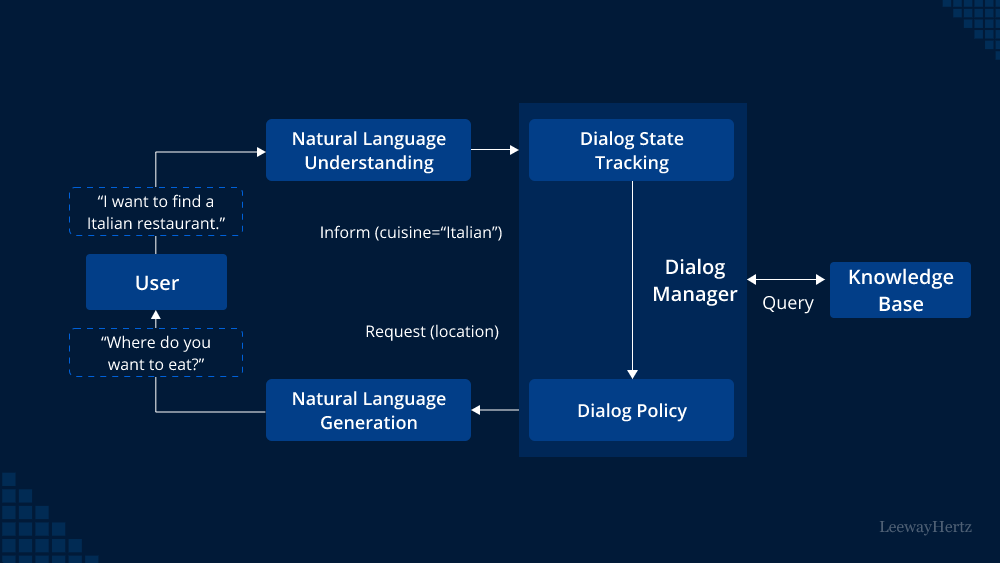
Transactional chatbots are AI-driven tools designed to perform specific tasks or transactions, often within a messaging or chat interface. Unlike traditional chatbots that focus on answering frequently asked questions or providing general information, transactional chatbots are engineered for actions that involve data retrieval, processing, and execution. They are programmed to complete tasks such as booking appointments, making reservations, processing payments, tracking orders, and more.
The core strength of transactional chatbots lies in their ability to mimic human interactions, allowing customers to engage with businesses 24/7 without the need for human intervention. These chatbots can handle a wide range of transactional processes, offering convenience and efficiency to both customers and businesses.
Key Benefits of Transactional Chatbots
- Enhanced Customer Experience: Transactional chatbots provide immediate responses and personalized interactions, making customers feel valued. They can handle a high volume of inquiries simultaneously, reducing wait times and frustration.
- Availability Around the Clock: Transactional chatbots never sleep. They are available 24/7, ensuring that customers can access services or information whenever they need it, regardless of time zones or business hours.
- Efficiency and Cost Savings: Businesses can significantly reduce operational costs by automating routine tasks and transactions. This allows human employees to focus on more complex and value-added activities.
- Consistency: Transactional chatbots provide consistent responses and follow predefined processes accurately. This consistency eliminates the risk of human errors and ensures compliance with company policies.
- Data Collection and Analysis: Transactional chatbots gather valuable data during interactions, which can be analyzed to identify trends, customer preferences, and areas for improvement. This data-driven approach helps businesses make informed decisions.
- Scalability: As business operations expand, transactional chatbots can easily scale to meet increased demand without the need for additional hiring or training.
Use Cases for Transactional Chatbots
Transactional chatbots are versatile tools that can be applied across various industries and sectors. Here are some notable use cases:
- E-commerce: Transactional chatbots can assist customers with product searches, offer personalized recommendations, and facilitate seamless checkouts, enhancing the shopping experience.
- Healthcare: They can schedule appointments, provide medication reminders, and offer basic medical advice, improving patient engagement and healthcare management.
- Hospitality: In the hospitality industry, transactional chatbots handle room bookings, check-ins, and concierge services, making guest experiences more convenient and enjoyable.
- Banking and Finance: Chatbots can assist customers in checking account balances, transferring funds, and even managing investments, all while ensuring security and data protection.
- Travel and Tourism: They can book flights, hotels, and car rentals, as well as provide travel recommendations, helping travelers plan their trips effortlessly.
- Customer Support: Transactional chatbots can troubleshoot technical issues, process returns and refunds, and handle frequently encountered customer inquiries.
The Future of Transactional Chatbots
As technology continues to advance, transactional chatbots are expected to become even more sophisticated. Here are some trends shaping the future of transactional chatbots:
- Natural Language Processing (NLP) Improvements: NLP technology will enable chatbots to better understand and respond to complex human language, enhancing the quality of interactions.
- Integration with Other Systems: Chatbots will seamlessly integrate with existing software and systems, allowing for more comprehensive and streamlined transaction processes.
- Multimodal Capabilities: Transactional chatbots will extend beyond text-based interactions to support voice and visual inputs, making them more versatile and user-friendly.
- Enhanced Personalization: Chatbots will leverage AI to provide highly personalized recommendations and services, catering to individual customer preferences.
- Increased Security: Advanced security measures will be implemented to protect sensitive data and ensure compliance with data privacy regulations.
In conclusion, transactional chatbots are ushering in a new era of efficiency and customer satisfaction. These AI-powered tools are reshaping the way businesses interact with their customers, providing round-the-clock support and streamlining transactional processes. As technology continues to evolve, transactional chatbots will play an increasingly vital role in driving business success and enhancing the customer experience. Embracing this innovative technology today can help businesses stay ahead of the curve and deliver exceptional service in the digital age.
 Techy Talks